
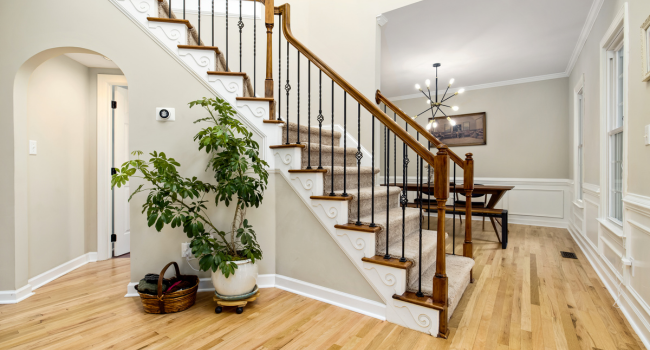
 Building a beautiful home doesn’t need to put your family’s health at risk or ruin your indoor air quality. As more and more homeowners consider sustainability, environmentally friendly interior painting is perhaps one of the most potent ways to improve your interior space while reducing toxic exposure and overall environmental impact.
At Yonge Painting, we believe in painting smarter and are dedicated to safe painting practices. You can, however, make your next indoor paint job healthier for your home and the planet.
1. Choose Low-VOC or Zero-VOC Paints
Conventional paints contain volatile organic compounds (VOCs) — chemicals that evaporate into the air and can cause headaches, dizziness, and long-term respiratory problems.
Low-VOC and zero-VOC paints significantly reduce or eliminate these toxic emissions.
What to look for:
- Product labels such as Low-VOC, Zero-VOC, or GreenGuard Certified
- Natural paints, Such as those made from plant oils or minerals
- Brands that clearly disclose ingredients
With Yonge Painting, we put a premium on eco-friendly paint that offers gorgeous, durable colour without dangerous airborne toxins.
2. Improve Ventilation During and After Painting
Even with eco-friendly paints, ventilation is a must.
Tips:
- Keep windows and doors open for cross-ventilation
- Use fans to circulate air
- Ventilate the room for no less than 48 hours after painting
Optimal airflow means paint cures more quickly and indoor air stays healthier.
3. Prep With Non-Toxic Cleaners
Wash walls to remove dirt, oils, and grime before painting. Most traditional cleaners have strong, lingering toxic smells.
Eco-friendly alternatives:
- Simple vinegar and water
- Plant-based, biodegradable cleaners
- A scrub of baking soda (for the stubborn stuff)
Getting dirt off surfaces can help paint stick better — without adding poisons.
4. Opt for Sustainable Painting Tools
An eco-paint project doesn’t stop at the paint. If you’re using sustainable tools, you can keep waste and environmental devastation to a minimum.
Consider:
- Paint trays and rollers that are washable and reusable
- Toilet Brushes with Recycled or Biodegradable Materials
- Canvas, Not Plastic Mats, made of canvas instead of plastic
As a waste management service company, Yonge Painting implements waste-reduction practices on every job to minimize our environmental impact.
5. Dispose of Leftover Paint Responsibly
Do not pour extra paint down your drain or put it in the garbage.
Eco-conscious disposal options:
- Bring it to a hazardous waste center in your area
- Check community recycling programs
- Donate usable paints to charities or community groups
Disposing of them properly prevents contamination of soil and water systems and reduces toxic buildup in landfills.
Final Thoughts
Green interior painting is not a trend; it’s an investment in your health. Using the appropriate materials and building techniques, along with the right professionals, your indoor environment can become a healthy, clean, and green home.
If it’s time to rejuvenate your home ecologically, it’s Yonge Painting.
Call us today for a free consultation or to select the right colour!